Sustainability in tourism is no longer only a marketing message. For owners of apartments, villas and holiday homes it can produce measurable operational value: lower energy and water use, reduced maintenance cost, longer-lasting equipment and a stronger perception of quality. Guests increasingly appreciate responsible properties, while owners benefit directly from smarter resource management.
A sustainable rental does not always require a major renovation. In many cases, the best result comes from several practical improvements that reduce waste without reducing comfort.
1. Energy efficiency starts with measurement and usage logic
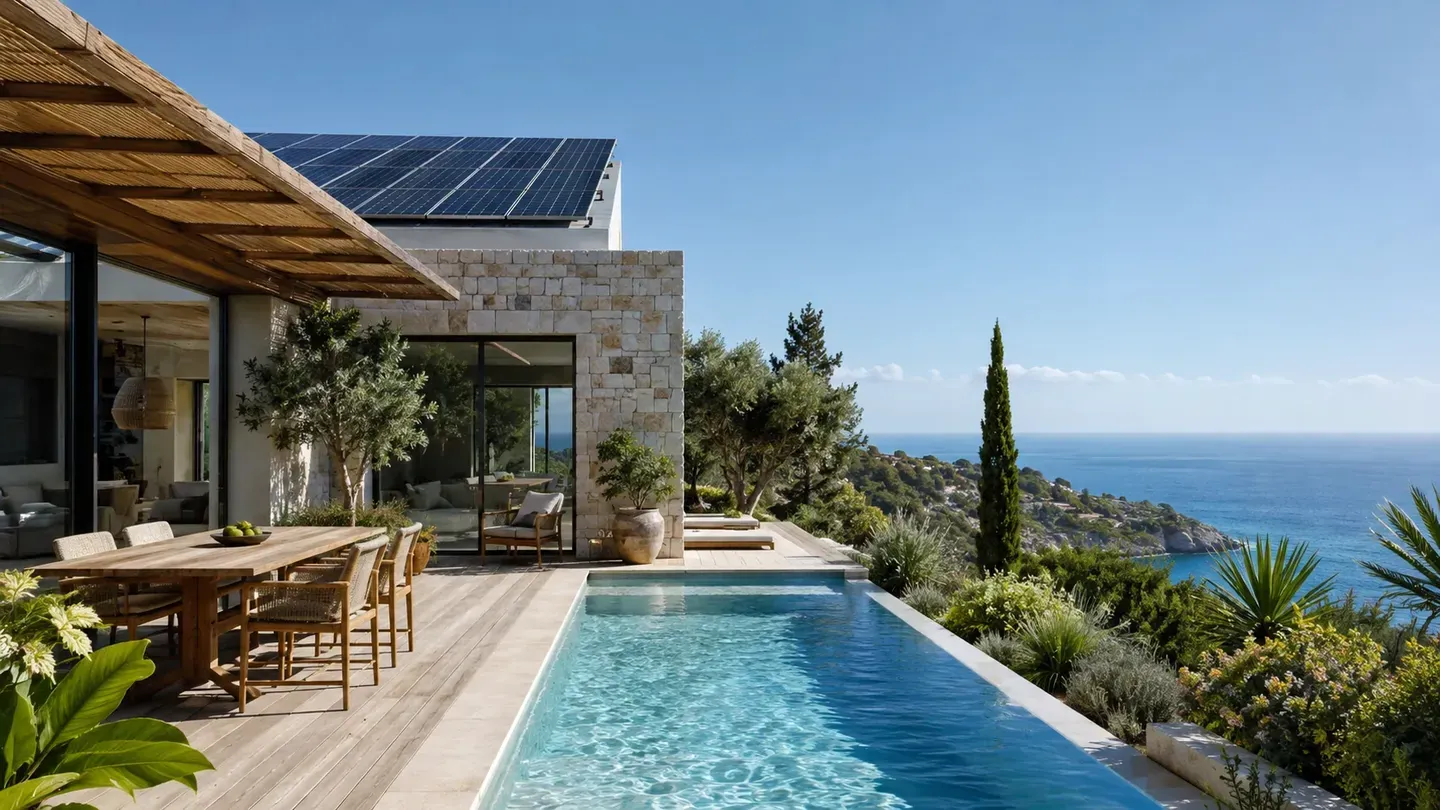
The first step is understanding where the property uses the most energy. Air conditioning, water heating, lighting, pools and kitchen appliances are common major consumers. Once the largest costs are visible, investment decisions become easier. Some properties benefit quickly from LED lighting and better controls, while others justify improved windows, shading or solar systems.
Guest usability also matters. Clear instructions reduce the chance that air conditioning or appliances run unnecessarily. Sustainability works best when equipment and guest behaviour support each other.
2. Water, textiles and maintenance products also carry significant cost
Water efficiency depends on reliable fixtures, routine leak checks and sensible irrigation. Pools and gardens require additional monitoring so that technical faults do not silently increase consumption.
Durable textiles, bedding and equipment also reduce replacement cycles. Buying for long-term use lowers waste and can improve the overall feel of the accommodation.
3. Sustainability can strengthen the brand experience
Travellers increasingly respond positively to natural materials, good ventilation, greenery and thoughtful energy use. A property does not need aggressive environmental messaging. Responsible design and well-managed comfort are often enough to communicate quality.
For premium rentals, sustainability can further strengthen positioning. A property that is attractive, efficient and well maintained feels modern and professionally managed.
4. Sustainable investments should make financial sense
Not every investment is appropriate for every rental. One property may benefit most from smart climate controls, another from solar panels or improved exterior shading. The right choice depends on operating cost, expected payback and the effect on guest comfort.
The aim is not simply to appear “green,” but to create a property that uses resources intelligently, lasts longer and performs better as a business.
5. Good management turns sustainability into an operational advantage
Owners often want a more efficient property but do not have time to analyse every cost and coordinate every improvement. A professional management partner can identify losses, prioritise practical changes and integrate them into normal maintenance without disrupting the guest experience.
Sustainable vacation rentals are not only about image. They are more resilient, modern and potentially more profitable. With a structured approach, sustainability becomes a competitive advantage rather than an abstract idea.
6. Explain sustainable features without lecturing the guest
Guests are more likely to support efficient operating practices when instructions are short, positive and easy to follow. A simple note about closing windows while the air conditioning is running, using the correct recycling containers or reporting a leaking tap is more effective than a long list of restrictions. The communication should focus on comfort and shared responsibility rather than guilt.
It is also useful to mention genuine sustainable features in the listing, such as solar energy, shaded outdoor areas, efficient cooling or water-saving fixtures. These details strengthen the property’s positioning when they are accurate and relevant, while helping guests understand that responsible operation is part of the overall quality of the stay.
7. Involve guests without reducing comfort
Sustainable practices work best when they are simple and unobtrusive. Short, friendly instructions can explain efficient air-conditioning use, waste separation or a sensible towel-change policy without making guests feel restricted. The property must first provide the right infrastructure: clearly labelled bins, reliable equipment, good ventilation and controls that are easy to understand.
Results should be measured through bills and operational indicators rather than impressions alone. Comparing energy and water consumption by month and occupied night shows whether improvements are working. If usage remains unusually high, the cause may be a technical fault or unclear controls rather than guest behaviour. When sustainability is monitored and refined, it lowers costs, protects resources and strengthens the property’s quality without compromising the holiday experience.
Prefer to leave the day-to-day management to a professional team?
Odmori.hr supports apartment, villa and holiday-home owners with listing management, reservations, guest communication and on-site operations.