Many property owners assume that the only way to improve occupancy is to lower the nightly rate. In practice, discounting is rarely a healthy long-term strategy. A lower price may generate a short burst of bookings, but it can also weaken the perceived value of the property and attract guests who are more demanding while contributing less revenue. A better approach is to build a rental that is clearly positioned, professionally presented and operationally reliable. When travellers immediately understand what they are booking, who the property is ideal for and why it is worth the price, conversion improves without constant discounting.
Dalmatia is a competitive market, but demand remains strong for properties that inspire confidence. That confidence comes from a combination of details: photography, listing titles, descriptions, availability, response speed, stay rules and the quality of the guest experience. When those elements work together, they create a stronger result than any isolated price promotion.
1. Define the guest your property is best suited for
A property that tries to appeal to everyone often feels particularly relevant to no one. The first step toward stronger occupancy is defining the ideal guest. Is the apartment best for couples looking for privacy, families that need two bedrooms and secure parking, or travellers searching for a premium villa with a pool? Once the target guest is clear, it becomes easier to choose the right tone, photographs, highlighted benefits and minimum-stay rules.
For example, an apartment located five minutes from the beach is not simply “close to the sea.” For families, it means less daily logistics. For older guests, it means less physical effort. For couples, it means spontaneous swims and evening walks. A strong listing translates property features into practical guest benefits.
2. Optimise the title, gallery and opening lines
Travellers often decide within seconds whether to open a listing. The title therefore needs to be specific and informative. “Modern apartment with terrace and parking, 300 metres from the beach” is much stronger than “Beautiful apartment by the sea.” The title should communicate the benefits that materially affect the booking decision: view, terrace, parking, pool, location, proximity to the beach or suitability for families.
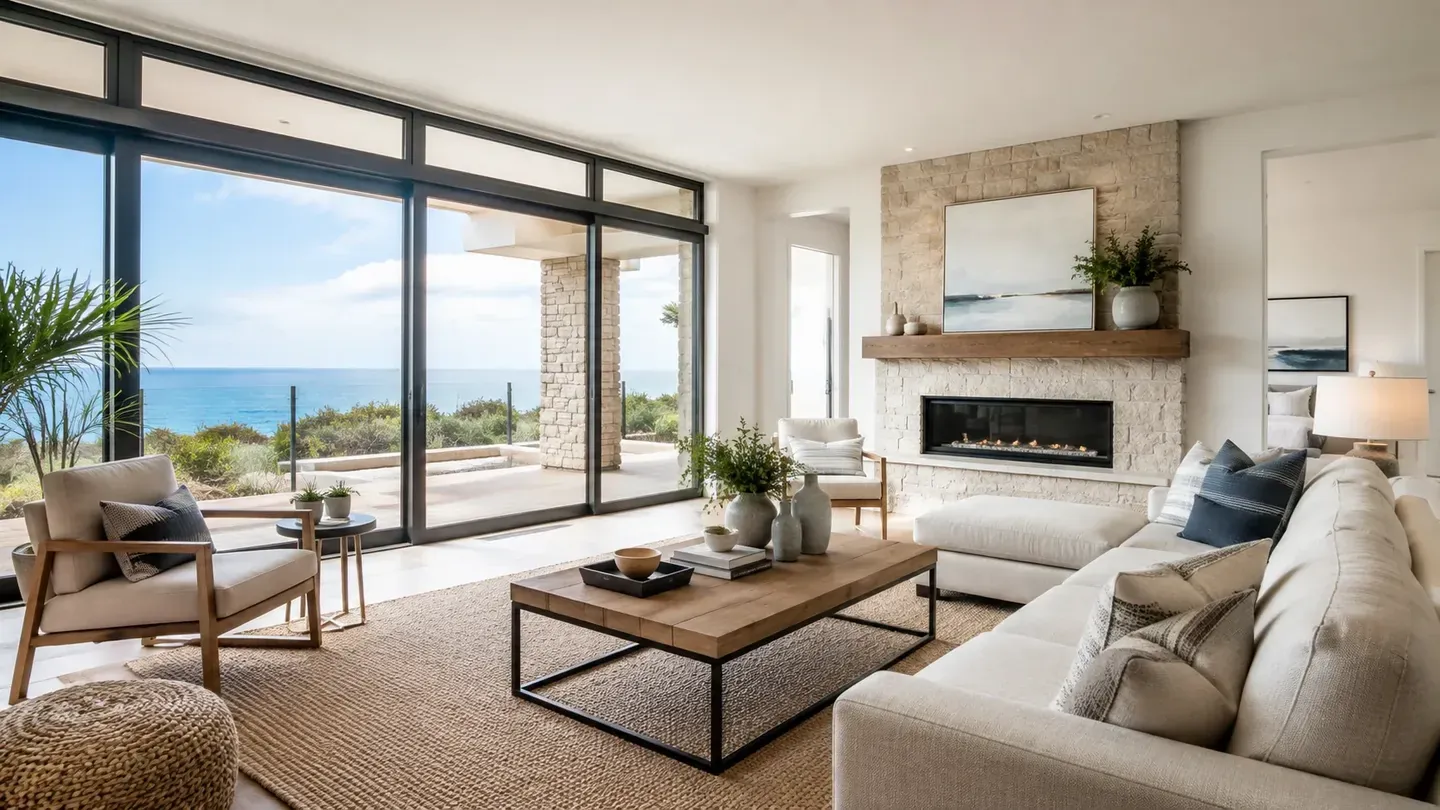
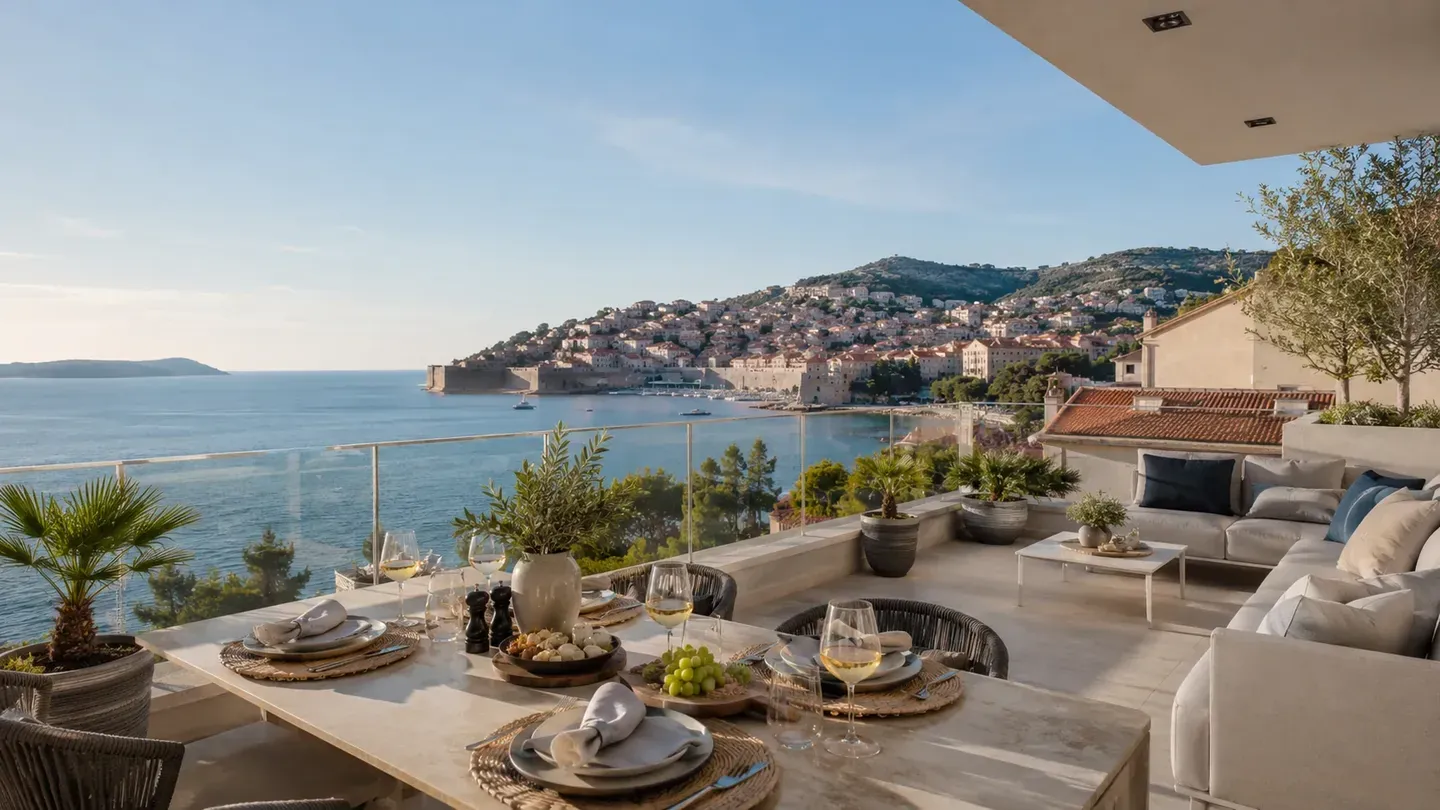
The image gallery should begin with the strongest sales assets: the sea view, terrace, living room or pool. Bedrooms, bathrooms and technical details should follow. The first two or three sentences of the description must then explain why the property is a good choice, who will enjoy it most and what the guest can expect on arrival.
3. Work with the calendar and stay rules, not against them
A surprising number of bookings are lost because of rigid or illogical restrictions. If the minimum stay is too long during weaker demand periods, guests simply move to a competing property. If availability is not accurate, the listing appears unreliable. Minimum stays, arrival days and departure rules should reflect real demand. Rules can be firmer in peak season and more flexible in the shoulder months.
Calendar gaps also need active management. If three free nights remain between two longer bookings, that gap should have tailored pricing or more flexible stay rules. The goal is not to discount the entire month, but to solve a specific availability problem without damaging the average nightly rate.
4. Build trust through communication and service
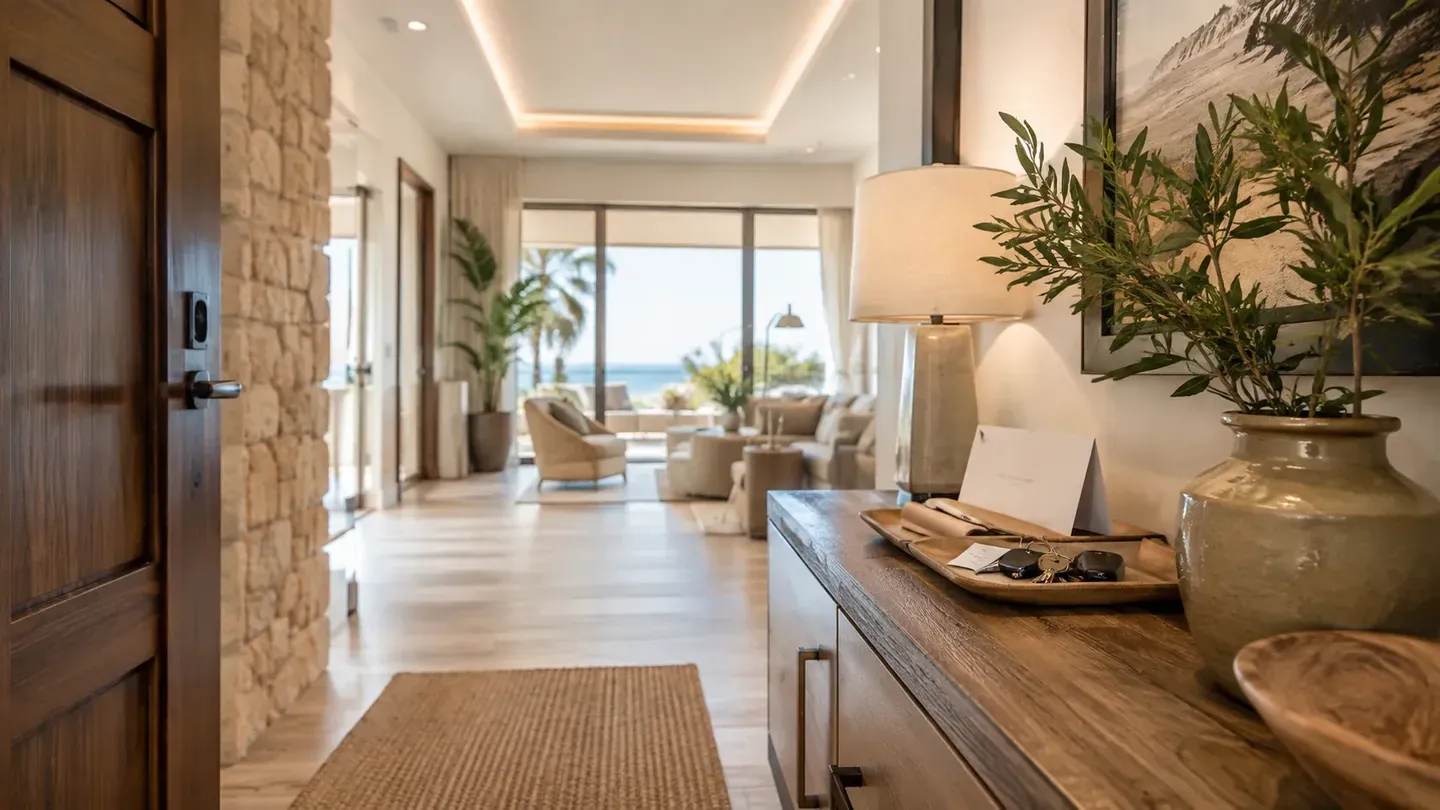
Guests are not only buying a bed; they are buying certainty. Fast replies, clear check-in instructions and accurate information about parking, air conditioning, house rules and available services can determine which of two similar properties receives the booking. Organised communication makes the entire rental feel more professional.
Good service also creates stronger reviews, and reviews improve future occupancy more effectively than almost any short-term promotional tactic. That is why the operational work after the booking is just as important as the listing itself. Cleanliness, property readiness and quick problem solving directly influence future sales.
5. Measure results and adjust what is not working
Successful owners monitor which photographs generate engagement, when demand slows, how long guests stay and how the property compares with similar rentals. If listing views are strong but bookings are weak, the issue may be pricing, trust or presentation. If views are low, the listing may need better positioning and a stronger first impression.
The conclusion is simple: sustainable occupancy comes from better management, not permanent price reductions. Clear positioning, professional presentation, intelligent calendar management and reliable service create a more stable season and a healthier annual return. Odmori.hr can take over that operational process and turn it into a structured, measurable system.
Prefer to leave the day-to-day management to a professional team?
Odmori.hr supports apartment, villa and holiday-home owners with listing management, reservations, guest communication and on-site operations.